Sharp Brains: Brain Fitness and Cognitive Health News

Neuroplasticity, Brain Fitness and Cognitive Health News

1. Brain Fitness Fundamentals

High­lights from Sec­tion 1. Brain Fit­ness Fundamentals

  • The brain is com­posed of a num­ber of spe­cial­ized regions serv­ing dis­tinct functions.
  • Our life and pro­duc­tiv­ity depend on a vari­ety of brain func­tions, not just one.
  • There is noth­ing inher­ently fixed in the tra­jec­tory of how brain func­tions evolve as we age.

In order to make informed deci­sions about brain health and brain train­ing, you need to first under­stand the under­ly­ing orga­ni­za­tion of the human brain and how it evolves across our lives.

a

Brain struc­tures: all you need to know

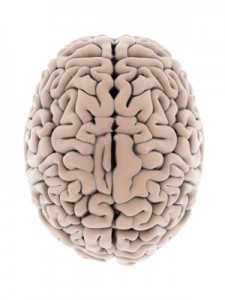
The dom­i­nant struc­ture of the human brain is called the cere­brum, which con­sists of the grey, curly cor­tex. The cere­brum is divided into two hemi­spheres (right and left), each con­sist­ing of four lobes, and con­trols higher men­tal func­tions. As you can see in Fig­ure 1, the four lobes of the brain are the occip­i­tal, tem­po­ral, pari­etal and frontal lobes. Keep read­ing.

b

Brain func­tions: per­cep­tion, atten­tion, mem­ory, and more

You have prob­a­bly heard about cog­ni­tive func­tion or cog­ni­tion. What is cog­ni­tion? Cog­ni­tion has to do with how a per­son under­stands and acts in the world. It is a set of processes that are part of nearly every human action. Cog­ni­tive abil­i­ties are the brain-based skills we need to carry out any task – from the sim­plest to the most com­plex. They have more to do with the mech­a­nisms of how we learn, remem­ber, problem-solve, and pay atten­tion rather than with any actual knowl­edge. Any task can be bro­ken down into the dif­fer­ent cog­ni­tive skills or func­tions needed to com­plete that task suc­cess­fully. Keep read­ing.

j

The aging brain: cog­ni­tive improve­ment and decline

As we age, our whole body changes. The same is true for the brain. The most com­mon struc­tural change is brain atro­phy as neu­rons, and mostly con­nec­tions between neu­rons, die. In terms of func­tional changes, age-related cog­ni­tive decline typ­i­cally starts at about forty when the brain pro­cess­ing speed slows down. Keep read­ing.

d

Neu­ro­plas­tic­ity: the poten­tial for brain development

In the past decade there has been a fun­da­men­tal change in our under­stand­ing of human brain capac­ity. New research from sci­en­tists at the Salk Insti­tute, the Karolin­ska Insti­tute, Colum­bia Uni­ver­sity and else­where has given a renewed, pos­i­tive view of the human brain and its poten­tial for change and devel­op­ment through­out life. Keep read­ing.

e

Life­long learn­ing: why it is neuroprotective

Learn­ing is the phys­i­cal process of chang­ing our brains. Today we know this is pos­si­ble at all ages, bring­ing the con­cept and prac­tice of life­long learn­ing to the fore­front. Keep read­ing.

f

What is brain fit­ness: improv­ing cog­ni­tive abilities

Brain fit­ness is our brain’s abil­ity to read­ily cre­ate addi­tional con­nec­tions between neu­rons, and even to pro­mote new neu­rons in cer­tain parts of the brain. Research in neu­ropsy­chol­ogy and neu­ro­science shows that vig­or­ous men­tal activ­ity
can lead to good brain fit­ness, which in turn, trans­lates into a sharper mem­ory, faster pro­cess­ing of infor­ma­tion, bet­ter atten­tion, and other improved cog­ni­tive skills. Keep read­ing.

Keep learn­ing by read­ing more arti­cles in the Resources sec­tion, and also please con­sider join­ing our free monthly Brain Fit­ness eNewsletter

This new online resource is based on the con­tent from the book The Sharp­Brains Guide to Brain Fit­ness (May 2009, $19.95), by Alvaro Fer­nan­dez and Dr. Elkhonon Goldberg.

Print This Page Print This Page Email This Page Email This Page

Welcome to SharpBrains!

As seen in The New York Times, The Wall Street Jour­nal, CNN and more, Sharp­Brains is an inde­pen­dent mar­ket research and pub­lish­ing firm track­ing brain fit­ness and applied neu­ro­plas­tic­ity research and mar­ket­place. AARP recently named The Sharp­Brains Guide to Brain Fit­ness a Best Book on the subject.

UPCOMING ONLINE COURSE: How to Be Your Own Brain Fit­ness Coach in 2012 (March 2012).

NEWS: How to Sub­mit a Guest Post to SharpBrains.com.

Sponsored Ad

Top 30 Articles

  1. Top 50 Brain Teasers, by Sharp­Brains Team
  2. The Ten Habits of Highly Effec­tive Brains, by Alvaro Fernandez
  3. Why do You Turn Down the Radio When You’re Lost?, by Car­o­line Latham
  4. Brain Plas­tic­ity: How learn­ing changes your brain, by Pas­cale Michelon
  5. Top 10 Brain Fit­ness Future Trends, by Alvaro Fernandez
  6. 7 FAQs on Men­tal Exer­cise, by Alvaro Fernandez
  7. It is Not Only Cars That Deserve Good Main­te­nance: Brain Care 101, by Alvaro Fernandez
  8. Eval­u­a­tion Check­list for Brain Fit­ness prod­ucts and games, by Alvaro Fernandez
  9. MIT Event on Brain Games: Con­text, Trends, Ques­tions, by Alvaro Fernandez
  10. Stress Man­age­ment Work­shop for Inter­na­tional Women’s Day, by Alvaro Fernandez
  11. Mind­ful­ness and Med­i­ta­tion in Schools for Stress Man­age­ment, by Jill Sutie
  12. Stress and Neural Wreck­age: Part of the Brain Plas­tic­ity Puz­zle, by Gre­gory Kellet
  13. How can I improve my short term mem­ory?, by Car­o­line Latham
  14. Cog­ni­tive and Emo­tional Devel­op­ment Through Play, by David Elkind
  15. Judith Beck: Train Your Brain to Think Like a Thin Per­son, by Alvaro Fernandez
  16. Easy Steps to Improve Brain Health, by Car­o­line Latham
  17. Info­graphic: State of the Mar­ket 2009, by Paul Van Slembrouck
  18. Improve Mem­ory with Sleep, Prac­tice, and Test­ing, by Bill Klemm
  19. 10 Brain Tips To Teach and Learn, by Lau­rie Bartels
  20. Dr. Elkhonon Gold­berg on Cog­ni­tive Train­ing and Brain Fit­ness, by Alvaro Fernandez
  21. Max­i­mize the Cog­ni­tive Value of Your Men­tal Work­out, by Schlomo Breznitz
  22. Brain Fit­ness Pro­gram and Neu­ro­plas­tic­ity @ PBS, by Alvaro Fernandez
  23. Mind­ful­ness Med­i­ta­tion for Adults & Teens with ADHD, by David Rabiner
  24. Can Intel­li­gence Be Trained? Mar­tin Buschkuehl shows how, by Alvaro Fernandez
  25. How Strong is the Research Sup­port for Neu­ro­feed­back in Atten­tion Deficits?, by David Rabiner
  26. Exer­cis­ing the body is exer­cis­ing the mind, by Adrian Preda
  27. Brain Evo­lu­tion and Why it is Mean­ing­ful Today to Improve Our Brain Health, by Larry McCleary
  28. Phys­i­cal Exer­cise and Brain Health, by Pas­cale Michelon
  29. Posit Sci­ence, Nin­tendo Brain Age, and Brain Train­ing Top­ics, by Alvaro Fernandez
  30. Sleep, Tetris, Mem­ory and the Brain, by Shan­non Moffet

Sponsored Ads

Enter Your Email and Sub­scribe to our free Monthly eNewslet­ter:
Join more than 40,000 Sub­scribers and stay informed and engaged.

Sponsored Ad

Engage and Discuss via

twitter_logo_header

Monthly Blog Archives