
Gaming and Neuroscience: Opportunities and Challenges
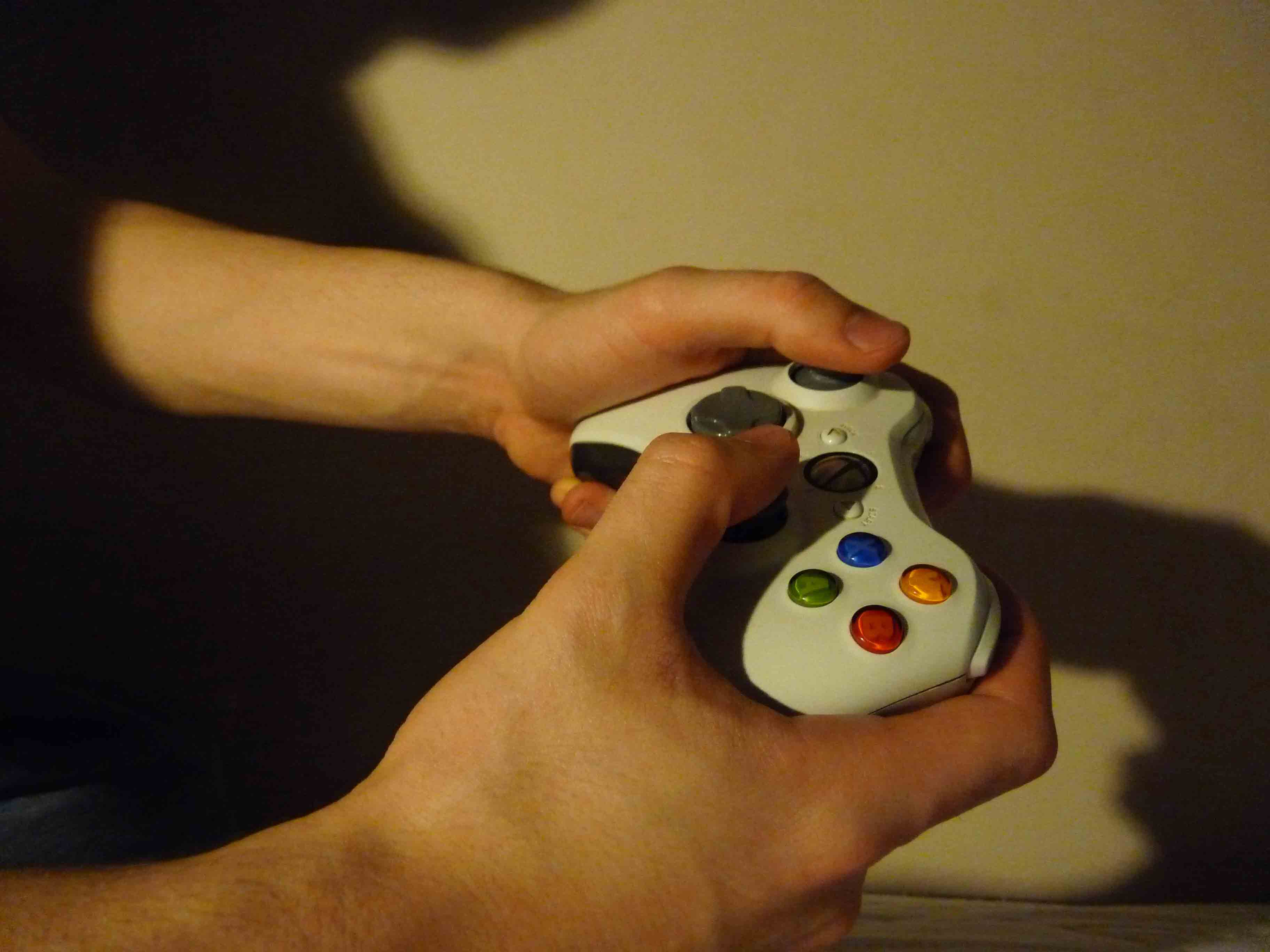 A couple weeks ago I attended the Entertainment Software and Cognitive Neurotherapeutics Conference, ESCoNS, at the University of California San Francisco. The speakers’ talks were insightful, surprising, and inspiring in many regards. The purpose of this meeting was to bring together great minds in a variety of fields from neuroscience to game design and to come up with some ideas how to make game based cognitive training a reality as an effective therapy for many of today’s most challenging disorders and deficits. Many of the scientists also thought that game based therapies for cognitive deficits could be used as enhancement tools for healthy individuals as well.
I found the presentations to be inspiring not only because of what the scientists have learned about neuroplasticity, but also because they revealed the gaping holes that remain in our understandings of these neural systems. For example, we know that stimulation of the vagus nerve can effectively work as a lever, allowing more or less plasticity depending on how much it is stimulated, but at the same time we understand very little when it comes to the specifics of creating effective training modules or the changes in the brain that occur as a result of training.
Notable Speakers
Here’s a few of the people who I thought had the most interesting things to say, and a brief summary of what they discussed.
Michael Kilgard from the University of Texas discussed the basic mechanisms of neuroplasticity. Specifically, he focused on how acetylecholine production via vagus nerve stimulation has large effects on neuroplasticity, and when paired with appropriate stimuli can serve to increase plasticity in the motor cortex, auditory cortex and can be included in therapies that apply to chronic pain, skilled movement problems and auditory problems.
Michael Merzenich is an emeritus professor at the University of California San Francisco and discussed the limits to training induced neuroplasticity and his own research demonstrating fascinating feats of plasticity. Specifically, how he trained old mice using auditory stimuli and brought their brains back to “younger” states, with improvements across the board in terms of myelination, BDNF expression, cortical thickness, and many other neurological measurements of brain health.
Jim Blascovich from the University of California Santa Barbara discussed the physiological basis of arousal and task engagement. He posits that challenges and threats are perceived by the nervous system very differently, and that task engagement lies in reducing the threat presented by a task while inducing challenge responses. He discussed these topics from a largely medical perspective, understanding how people respond to chemotherapy and other difficult treatments, but I think that many of the neuroscientists understood the more basic implications of his work. Professor Blascovich is systematically tackling the part of motivation most pursued by game developers and most elusive to the cognitive neuroscientists that have been involved in creating training games: keeping the user completely engrossed and engaged in the experience.
Panel Discussions
There were also two panel discussions, which I thought were invaluable for hearing many opinions and getting a general sense of the current state and directions of cognitive training. Here are some of the most important insights revealed:
Cognitive training games need to make people feel competent and challenged. This will keep them sensitive to improvement and keep them from getting bored.
If the gaming elements become the central focus of a treatment, then people forget that what they are doing is good for them and they quickly lose interest.
When applying for grants, it’s critical that the gaming team and neuroscience team are equally talented; most applications for funding are heavily weighted to one side or the other.
It’s difficult to tweak large blockbuster games for training purposes because normally the games are so complex that making a few changes could have unknown ramifications throughout the rest of the game.
Any cognitive training that is advertised as having therapeutic benefit must go through FDA approval; at the moment there are no cognitive training programs with FDA approval.
Surprises
I was surprised at how quickly the education system has adopted cognitive training, to their credit. The US Department of Education has made a bet on cognitive training that I’m sure will pay off many times over in benefits to the education system in the years to come. I was also surprised by Torkel Klingberg’s argument that working memory and attention are largely operated by the same neural system, which is interesting and deserves further investigation.
Challenges
Perhaps the largest hurdle I saw for the development of the field was the lack of communication between neuroscientists and the gaming community. From what I heard at the conference, it seems that neuroscientists have had a difficult time trying to get gaming companies to cooperate with them, but that may change now, seeing as this conference was created by a team of developers and neuroscientists to address that exact purpose. Unfortunately, many of the neuroscientists who presented seemed to miss this point. They mostly spoke strictly of neuroscience rather than exploring how their research or knowledge could be used to inform the intersection of gaming and neuroscience.
 – Aki Nikolaidis has a passion for understanding how brains are able to change and is fascinated by the possibilities for cognitive enhancement offered by cognitive training. He’s currently pursuing a PhD in neuroscience at the University of Illinois Champaign Urbana, and his research focuses on using neuroimaging methods like fMRI to find how cognitive training changes the brain. He recently wrote an article (here) on the future of cognitive training, and made a YouTube channel dedicated to discussing topics in the brain sciences, with videos such as this, this and this.
Related Articles:
- Learning with videogames
- Developing a research agenda for educational games and simulations
- Top 10 Brain Fitness Future Trends
- Brain training evaluation checklist
Share this:

About SharpBrains
Top Articles on Brain Health and Neuroplasticity
Top 10 Brain Teasers and Illusions
Got the book?