What is Brain Fitness?
 Many people ask us, “What is brain fitness?”
Our short answer:
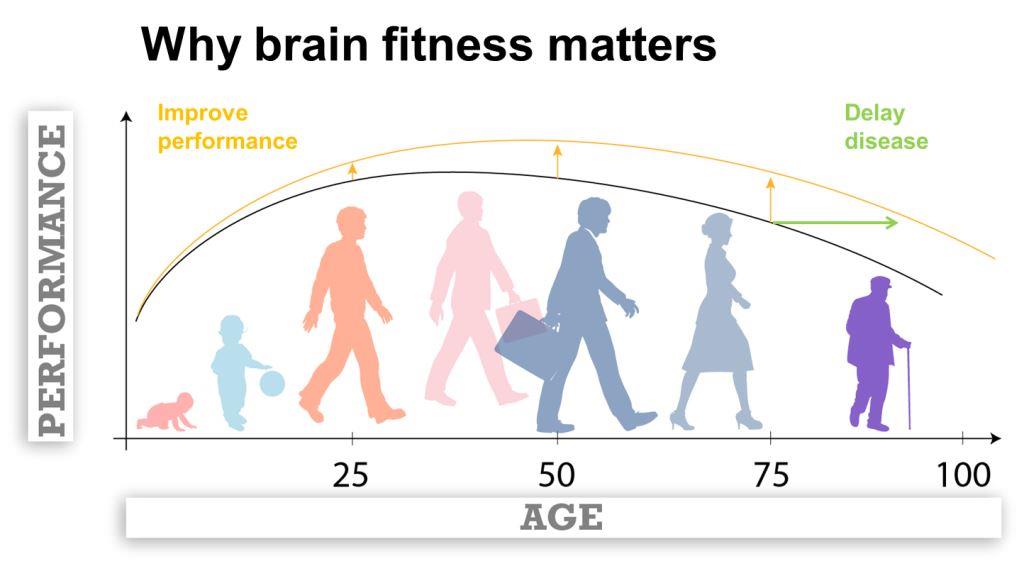
In a way analogous to physical fitness, Brain Fitness is the state of brain health and mental well-being that makes you “fit” for life and work demands.
It’s not about IQ (or EQ). It’s more fundamental measure of the brain’s ability to function efficiently and effectively during work and leisure activities, to be healthy, to resist disease.
Our longer answer:
Brain fitness grew out of the study of neuropsychology and neuroscience, and relies on multiple mental and cognitive abilities and processes such as neuroplasticity, neurogenesis–the creation of new neurons–, and brain vascularization. Cognitive abilities include things like attention, stress and emotional management, memory, visual/spatial processing, auditory processes and language, motor coordination, and executive functions like planning and problem solving diminish over time unless they are used regularly. It is evident in an ability to assimilate information, comprehend relationships, and develop reasonable conclusions and plans.
Brain fitness can be protected and nurtured by lifestyle, by formal education, by being actively mentally engaged in life, and by targeted practices designed to challenge important mental skills. Healthy lifestyle habits including mental stimulation, physical exercise, good nutrition, stress management, and sleep can improve brain fitness. On the other hand, chronic stress, anxiety, depression, aging, decreasing estrogen, excess oxytocin, and prolonged cortisol can decrease brain fitness as well as general health.
Brain fitness can be evaluated by behavioral measures such as memory, attention, concentration, executive functions, decision-making, mental flexibility, and other cognitive capabilities. Scientists are also beginning to learn how to measure brain fitness physically, at the cellular and circuit levels, by studying neurogenesis and the functional connections of synapses and dendrites between neurons.
Emerging neurotechnologies, especially new brain imaging methods, are starting to show that brain activity results in an increase in blood flow to the areas of the brain involved in carrying out the tasks at hand, bringing with it oxygen and nutrients for the cells, and therefore contributing to the health and fitness of brain networks involved. Additionally, stem cells concentrate in the areas where there is greater brain activity and function in the same capacity as the surrounding cells — in essence, cells grow over time in the active areas of the brain.
The book that will guide you:
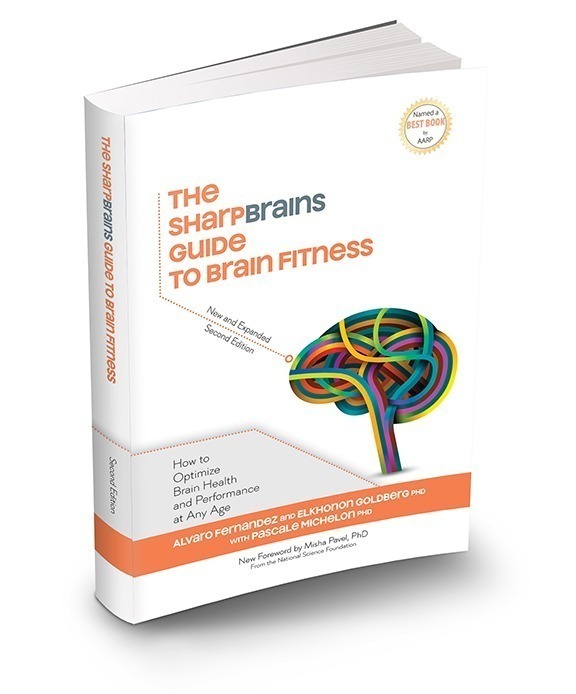 Modern life places extraordinary demands on our brains. Not only do we live longer than ever before, but we must constantly adapt to complex and rapidly evolving personal and professional realities. Yet, we often ignore our most precious resource to do so: our brain.
The SharpBrains Guide to Brain Fitness cuts through the clutter of misconceptions, superficial and conflicting media coverage, and aggressive marketing claims, to help readers discover what really works, and what doesn’t, to improve brain health and performance at any age, to delay or prevent cognitive decline, and become smarter consumers of both media coverage and scientific research in the process.
Whether your goal is to become more resilient, enhance memory, ward off Alzheimer’s disease, or simply improve mental focus to perform better at work, this how-to guide shows you exactly how to “use it or lose it.”
This new and much-expanded edition combines a user-friendly tutorial on how the brain works with advice on how to choose and integrate lifestyle changes and research-based brain training. Featuring an independent analysis of hundreds of scientific studies published in the last 10 years, the book also includes in-depth interviews with 20 leading scientists who often challenge conventional wisdom and prevailing brain health thinking and care.
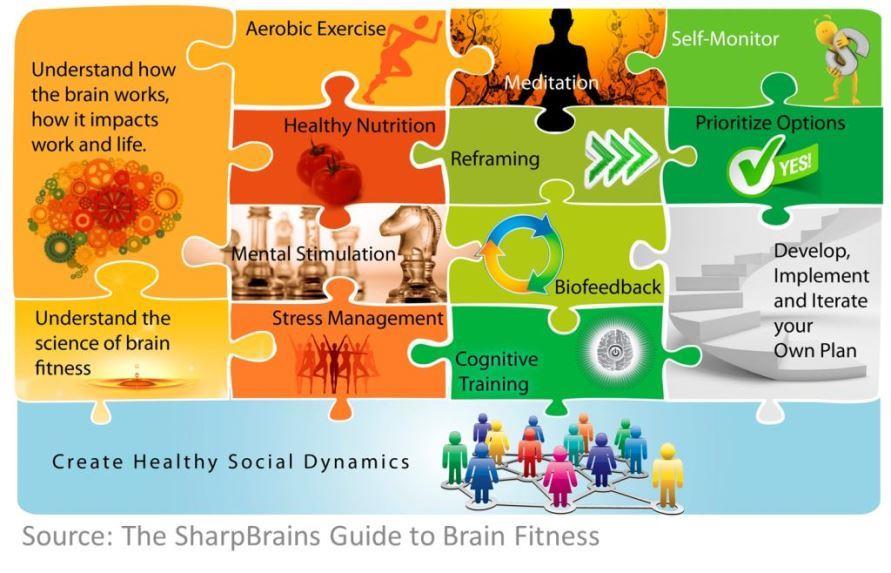
Further Reading:
- Solving the Brain Fitness Puzzle Is the Key to Self-Empowered Aging
- What are cognitive abilities and how to boost them?
- Six tips to build resilience and prevent brain-damaging stress
- 20 Must-Know Facts to Harness Neuroplasticity and Improve Brain Health
- Top Brain Teasers, Games and Illusions, for Teens and Adults of Any Age
Share this:

About SharpBrains
Top Articles on Brain Health and Neuroplasticity
Top 10 Brain Teasers and Illusions
Got the book?