

Brain Training and “Brain-ism” in Japan
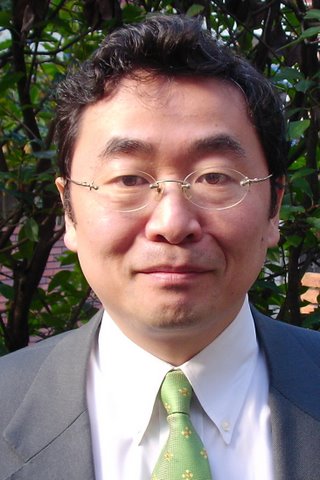 Today we are traveling to Japan. Go Hirano is a serial Japanese entrepreneur who has been exploring neuroscience-based opportunities in Japan, having recently created the company NeuWell (neuroscience for wellness).
———————-
Key take-aways:
- People in Japan devour any product with brain-related claims
- But there has been a recent backlash against children videogames, so game developers have started to focus on older audiences with (mostly unproven) brain-health-improving games
- The market is ripe for programs with proven research and tangible benefits
———————-
AF: Hirano-san, tell us a bit about yourself and how you became interested in applied neuroscience.
GH: after helping launch one of the first DSL providers in Japan, I started to wonder what the next bigger value for society would be. I have always been fascinated by brain research, so I started to explore opportunities to help bring to market neuroscience-based programs to help students do better in exams, and adults age in brain-friendly ways.
AF: what is the state of Brain Fitness and Brain Training in Japan? what are the most popular applications so far?
GH: I think people understand the concepts of Brain Fitness and Brain Training. If one method or product/service sounds a bit scientific there are people who would try it for fun and curiosity. However, majority of the people know that many existing ones have low returns on efforts and time. So far, the most popular application was anti-aging, and product was Dr. Kawashima’s book of calculations and oral reading for adults since it made people to get the concept of brain training.
AF: Japan population’s average age is getting older probably at the fastest speed on earth, and people there have been exposed to videogames for a long while. How do people in Japan react towards programs and games that make brain-related claims?
GH: In any bookstore, there always is a section for brain books where you can find names like Takeshi Yoro, Takashi Tachibana, Ryuta Kawashima, Tony Buzan, Steven Pinker, V.S. Ramachandran and so on. TV variety shows regularly come up with Brain specials. It is hardly deniable that brains enchant Japanese people. We love brain training.
Long before Dr. Olesen, Dr. Westerberg and Dr. Torkel Klingberg published their very-well-received paper about working memory training (titled Increased prefrontal and parietal activity after training of working memory), brain-training services had been available here. “Speed Listening” advertisements say “Why haven’t we come up with this idea before?”, and the idea is that by listening 2x speed, your brain works 2x faster. I believe it was there from the 70s and, even now inside the paper bag from bookshop you can find its brochure when you buy books. World popular speed-reading has its Japanese version of propaganda that it not only speeds up your reading but also your brain and even “activates” your right brain. This is not based on actual research, but many people believe it.
There were two times of “brain boom” in the past and Brain Imaging created a third one most recently. Dr. Kawashima claimed calculations and oral reading are good to develop kids’ brains in the book for children “Jibun no Nou wo Jibun de Sodateru (Develop your own brain)” in 2001. In the book, gaming was said to reduce prefrontal activation and have bad or no benefit for kid’s brain. He compared the fMRI image of someone doing simple calculations and playing games, and apparently the image of the former showed more activities. To see the activities inside the brain was fresh for people, but the methodology and logic was not reviewed by any scientific publication. It was published by a company that provides a franchised chain of learning classes. The company maintained books at bookstores to create a boom and was very successful. Then they came up with adult version of training book, and sold more than 2 million. Adults and senior people were seriously did addition and subtraction of 1 digit numbers for countless times believing it will maintain and even enhance their brainpower.
This then became the basis for the Brain Age video game (AF’s note: this is a game that is selling very well in Europe and the USA). More recently from him, cooking became good for brain since cooking demands planning and multiple tasks. They demand prefrontal cortex activation, and he showed image of a brain when cooking. A gas company that wants to sell more gas ranges and ovens helped sponsor the research.
AF: we have heard there has been a backlash recently. Is it more of a scientific, or consumer one?
GH: Scientific for adults’ games, consumer for kids’ ones. In 2001, another researcher, Dr. Akio Mori wrote an article called “Gemu(=Game) Nou(=Brain) no Kyofu (The Fear of Game Brain)”. He created his own EEG machine and gathered the data of people who frequently play games and people who do not. He found the “beta-wave” from frequent game players that are “same as senior people with dementia”. That, he said, is because of lack of activities in their prefrontal cortex, and that means more probabilities for lower academic performance and crime. Though his equipment was not verified, and he was said to get confused about alpha and beta wave of EEG, parents and education authorities like municipal education committees loved his book and invited him for lectures and conferences. His new book in 2006 became the recommended book of the year from the National PTA Committee.
The sales of software on home game machines have declined from its peak of 533 billion yen in 1997 to its 53%, 315 billion yen in 2005. Dr. Mori’s book and phenomena was the finishing blow to the industry, especially for kids’ games. Therefore game companies had to find new targets who had never played game machines, like middle-aged group and women. Brain Age was preceded by a Sega’s game box that was the natural next step after the book from Dr. Kawashima I mentioned.
For women, games on English training, language support for traveling, cooking, common sense and etiquette are provided. These new sort of serious games not only helped the handheld game machine stay always out of stock and reach multi-million sales, but also successfully gave the image that games are, depending on the software, good for the brain and education. Funny it is that the authority backing the campaign is the same Dr. Kawashima who originally recommended kids to calculate rather than to play games for the benefit for brains.
No wonder, authorities from the academic and medical societies of the neuroscience field started criticizing scientifically unproven or no evidence-based products, books and opinion makers. This year, neuroscience researchers started a group called “Nou wo Ikasu (Make the best out of Neuroscience)” and have frequent meetings of researchers where people can join. I visited one of those and saw participants were busy not only criticizing them but also hinting that authorization criteria by neuroscientists are being prepared.
However, adult consumers keep devouring such games. Dentsu, the biggest advertising agency announced the No.1 Consumer-chosen Choice of the Product 2006 was game software and books for brain training. So far, apparently the demands went far out before the real neuroscience comes to fill. Between the balance of body and brain, Japanese people are one of the extreme that is most brain-ism oriented, to the brain side, says Dr. Yoro. It seems we, brain-ism extremists, cannot wait the real neuroscience to come.
AF: what would you suggest that non-Japanese companies do if they want to bring their programs to Japan?
GH: I would suggest to define and attack from a target where you can provide very tangible value based on scientific facts. If you already have actual results in US or your market, they will work. People are tired of “just for fun” products and wait for results that is worth effort and time based on science. Since the demands are mounting, communication and good research is all what matters. Since neuroscientists are nervous about “Far Out” products, products’ research background will be asked more than past.
AF: what are some specific neuroscience-based programs that you think may find a market in Japan?
GH: We are very excited about the potential to introduce Cogmed Working Memory Training here in Japan, where the ADD/ ADHD problem is becoming more acknowledged. Also, given that being student here is very stressful, we think biofeedback-based programs for peak performance and stress management may be very helpful to improve overall learning and test performance. Not only for students, but also for traders-we are following with great attention SharpBrains’ series of interviews and posts based on Brett N. Steenbarger’s research on Trader Performance and The Psychology of Trading.
AF: Go, thanks for updating us on what is going on in Japan. Please keep us informed.
GH: I will happily do so. We will soon have ready an English website and blog.
AF: We will gladly let our readers know when those are ready.
Share this:

4 Comments
About SharpBrains
Top Articles on Brain Health and Neuroplasticity
Top 10 Brain Teasers and Illusions
Got the book?
I’d like to add a new twist to the brain game conversation. How about brain teasers that include sweating! What good is training one’s brain if it doesn’t include getting the body to move. I think the reason so many people are couch potatoes is because they haven’t engaged their brains first in activities that make their bodies want to follow. I have been involved in a fitness activity for the past 15 years that “teases” my mind first and I become so engaged with learning that the next thing I know I am sweating and have just gotten a healthy, anti-aging (check out my photos on the website and guess how old I am)fun workout. Get off the couch and start moving your brain.
Hi Alexandra,
Mostly agreed. We have mentioned many times that physical exercise is important. Now, what many people don’t know is that the brain also needs exercise-and as of today the best research-based brain training programs happen to be computer-based and need full attention, so they need to be done on their own.
In the future, we will be able to combine mental exercise with physical one. Feel free to share more information on how specifically that program includes the “teasing” element. Thanks
Dr. Kawashima’s book ‘Train Your Brain’ positions his brain training approach as a remedy for Alzheimers. That claim seems suspect, and doubtless were his claims realistic, there would be a sweeping noise made over it, and certainly he’d be highly praised in the Scientific Community for such a breakthrough.
Is there any peer-reviewed data available to substantiate the claims, and have they been supported by credible researchers?
Hello Terral,
There is no “remedy for Alzheimer’s”, so Dr. Kawashima’s programs aren’t one, certainly. At least in the US, Nintendo is not making any specific health claims: Nintendo Brain Age should be seen as a fun and stimulating game, nothing more nothing less.
Now, there is research that suggests leading a mentally stimulating life can reduce the probability of developing Alzheimer’s symptoms, so why not play Nintendo, or take on gardening, or travel to new countries…
Please take into account that this is different from the programs that have peer-reviewed research showing they can train and improve specific cognitive skills.