The Innovators
30+ Speakers at The Forefront of Brain, Health and Innovation
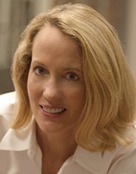 |
Alexandra Morehouse, VP Brand Management at Kaiser PermanenteAlexandra M. Morehouse is the Vice President of Brand Management at Kaiser Permanente. She is responsible for all aspects of digital, social, and traditional marketing of Kaiser Permanente, one of the nation’s largest not-for-profit health plans, serving more than 9 million members. Previously, Ms. Morehouse was CMO of AAA, where she oversaw all strategy, advertising, branding, media relations, and customer relationship management for AAA, which provides insurance, travel, automotive, and financial services to more than 12.5 million members. Ms. Morehouse has also served as co-chair of the Harvard Business School Global Technology Conference and on the boards of the Harvard Business School Community Partners, SnapFish, Yerba Buena Center for the Arts, ODC Dance, and UC Davis. She graduated with high honors from Harvard University and has an M.B.A. from Harvard Business School. |
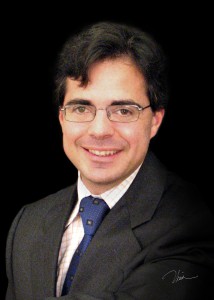 |
Alvaro Fernandez, CEO of SharpBrains (YGL Class of 2012)Alvaro Fernandez is the CEO of SharpBrains, a leading independent market research and think tank tracking health and well-being applications of brain science. He has been quoted by The New York Times, The Wall Street Journal, CNN, Reuters, and Associated Press, among others. Mr. Fernandez is the co-author of the new book “The SharpBrains Guide to Brain Fitness: How to Optimize Brain Health and Performance at Any Age” (284 pages; April 2013), recognized as a “Best Book” by AARP, and the editor-in-chief of the market report “The Digital Brain Health Market 2012–2020: Web-based, mobile and biometrics-based technology to assess, monitor and enhance cognition and brain functioning.” He started his career at McKinsey & Co, and led the launch and turn-around of several education-related start-ups. Alvaro has an MBA and MA in Education from Stanford University, and a BA in Economics from Universidad de Deusto. |
 |
Andrew Lee, Vice President at Aetna (YGL Class of 2011)Andrew Lee is Vice-President at Aetna, where he is Head of Hospitalist Solutions, a new, non-insurance business launched in 2011 to improve the way acute care is delivered in US hospitals. Prior positions at Aetna include Chief-of-Staff to the President and Head of Aetna’s Office of Public Policy. Before joining Aetna in 2005, Lee was Executive Director of the Harvard Project on American Indian Economic Development. From 1996 to 1998, he worked at the Ford Foundation. Lee is a Trustee of the Nathan Cummings Foundation and the Smithsonian’s National Museum of the American Indian. He also serves on other boards in the fields of philanthropy, indigenous affairs, healthcare, applied research, the arts, athletics and youth leadership. Lee is co-author of The State of the Native Nations. He holds an AB from Hamilton College and a MPP from the Harvard Kennedy School, where he was a Woodrow Wilson Fellow. |
 |
Ariel Garten, CEO of InteraXonAriel Garten is the CEO and co-founder of InteraXon, which creates thought controlled computing products and applications, and successfully raised funds via crowd-funding platform Indiegogo. Ariel has also researched at the Krembil Neuroscience Institute studying hippocampal neurogenesis, displayed work at the Art Gallery of Ontario, been head designer at a fashion label, and opened Toronto Fashion Week. Referred to as the “Brain Guru” by Now Magazine, CBC Radio and the Toronto Star, Ariel has also run a successful real estate business, spent time as the designer and owner of a Canadian fashion boutique, and is a practicing psychotherapist. |
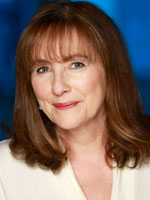 |
Barbara Arrowsmith Young, author of The Woman Who Changed Her BrainBarbara Arrowsmith Young is the Director of Arrowsmith School and Arrowsmith Program. She wrote The Woman Who Changed Her Brain: And Other Inspiring Stories of Pioneering Brain Transformation (Free Press; May 2012) to share her own story overcoming a severe learning disability and then pioneering efforts to transform special education via the application of neuroplasticity principles. She holds both a B.A.Sc. in Child Studies from the University of Guelph, and a Master’s degree in School Psychology from the University of Toronto (Ontario Institute for Studies in Education). |
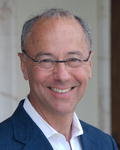 |
Bruce Wexler, NIH Director’s Award Winner and Professor of Psychiatry at Yale UniversityA Professor of Psychiatry at Yale University, Dr. Wexler won the NIH Director’s Award for high impact, high innovation, paradigm changing medical research, 2012–2016. Dr. Wexler is founder and chief scientist of C8 Sciences and created C8 Kids, a brain-based content-independent pedagogy to directly improve thinking abilities in 5–9 year old children, combining computer presented brain exercises with physical exercises. He is also the director of the Neurocognitive Research Laboratory at the Connecticut Mental Health Center, and a facilitator for the Council of Religious Institutions of the Holy Land, designing and managing a U.S. State Department funded study of how “the other” is portrayed in Israeli and Palestinian school books. |
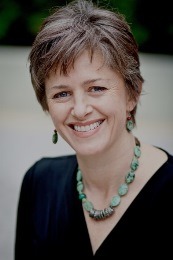 |
Corinna E. Lathan, Founder and CEO of AnthroTronix (YGL Class of 2006)Dr. Corinna Lathan co-founded AnthroTronix and is currently Board Chair and Chief Executive Officer. Dr. Lathan’s diverse background includes extensive research, teaching, and consulting in the areas of human performance engineering, medical device design, and assistive technology. Her work with children with disabilities and robotics has been featured in Forbes, Time, and the New Yorker magazines as well as led to such distinctions as Maryland’s “Top Innovator of the Year,” MIT Technology Review Magazine’s “Top 100 World Innovators,” and one of Fast Company Magazines “Most Creative People in Business.” She has also been named a Technology Pioneer and a Young Global Leader by the World Economic Forum and is currently on their Global Agenda Council for Robotics and Smart devices. She is actively involved in educational outreach programs that empower women and minorities in science and technology. |
 |
Dan Fox, Senior Vice President of Corporate Development at Discovery CommunicationsDan Fox joined the Discovery Corporate Development team in 2008 and has been involved in the company’s global acquisition and investment efforts in the pay television, digital video and online learning sectors. He has also helped create two of Discovery’s joint venture cable networks — Hub with Hasbro and 3Net with Sony and Imax. Prior to joining Discovery, Dan worked in the M&A group at IAC, focusing on the online dating and online health industries. Dan has also worked as a media merchant banker for Veronis Suhler. Dan holds an AB in Economics from Princeton and an MBA in Finance from the University of Chicago. |
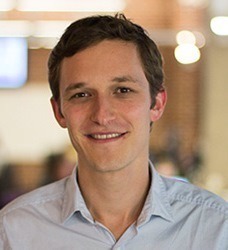 |
Daniel Sternberg, Data Scientist at LumosityDr. Daniel Sternberg leads the analysis of Lumosity’s database of human cognitive performance, which recently resulted in the publication of the study “The largest human cognitive performance dataset reveals insights into the effects of lifestyle factors and aging” in Frontiers in Human Neuroscience. Daniel received his Ph.D. in Cognitive Psychology from Stanford University, where he studied the mechanisms underlying how we learn new skills and reason about the world around us using by combining behavioral experiments with computational learning models. As the Data Scientist on Lumosity’s R&D team, he is exploring the largest database of human cognitive performance in order to figure out the most effective ways to enhance our cognitive abilities. |
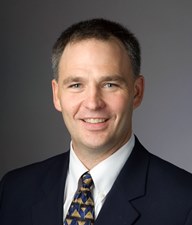 |
David Nill, Vice President and Chief Medical Officer at Cerner CorporationDr. David Nill is responsible for innovation of clinical aspects of health and care services for Healthe , an initiative aimed at increasing the resilience and wellbeing for Cerner associates. Additionally, Dr. Nill participates in health benefits design and integration of other Cerner benefits into the overall approach to health. He is board-certified in family medicine and is a member of the American Academy of Family Physicians and the American College of Occupational and Environmental Medicine. He received his medical degree from the University of Missouri’s six-year medical program and completed his residency in Family Medicine at the Mayo Clinic. |
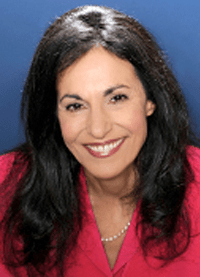 |
Deborah Rozman, CEO of HeartMathDeborah Rozman, PhD, has thirty years of experience as a business executive, serial entrepreneur, psychologist, author, and educator. Since 1990, she was founding executive director of the non-profit Institute of HeartMath, executive vice president of HeartMath LLC, then founding director and President and co-CEO with Doc Childre of Quantum Intech (parent company of HeartMath LLC). Prior to her work at HeartMath she was EVP of Biogenics, Inc., a biotech firm, from 1981 to 1987 and managed 90 employees through the company’s rapid growth. She is also a co-author with Doc Childre of HeartMath’s Transforming Series: Transforming Stress, Transforming Anxiety, Transforming Anger and Transforming Depression, and a key spokesperson on HeartMath, heart intelligence, stress in these changing times and heart-based living. |
 |
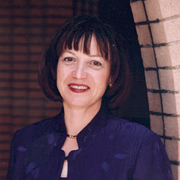
Dharma Singh Khalsa, President of the Alzheimer’s Research and Prevention FoundationDr Dharma Singh Khalsa, M.D. is the President and Medical Director of the Alzheimer’s Research and Prevention Foundation, the original voice in the integrative or holistic medical approach to the prevention and treatment of memory loss. Dr. Khalsa graduated from Creighton University School of Medicine in 1975, and received his postgraduate training in anesthesiology at the University of California, San Francisco where he was chief resident. He is also a graduate of the University of California, Los Angeles Medical Acupuncture for Physicians Program, and has studied mind/body medicine at Harvard Medical School ‘s Mind/Body Medical Institute. Dr. Khalsa is board certified in anesthesiology and pain management. |
 |
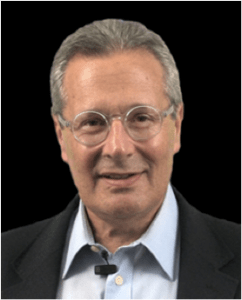
Elizabeth Zelinski, Director of the Digital Aging Center at USC Davis School of GerontologyDr. Elizabeth Zelinski studies mechanisms of longitudinal changes in memory, intelligence, and language in healthy adults aged 30 – 97. She believes that some of the negative change associated with aging can be reduced by engagement in challenging activities such as cognitive training games. She served as a principal investigator of the IMPACT study, a large clinical trial of a program that uses principles of brain plasticity. She recently found that modest improvements to healthy older adults’ cognition with direct training were equivalent to the improvements seen with aerobic exercise interventions. Zelinski has been president of the American Psychological Association Division of Adult Development and Aging, is the the Rita and Edward Polusky Chair in Education and Aging and professor of gerontology and psychology in the Davis School of Gerontology at the University of Southern California and is the inaugural Director of its Digital Aging Center. |
 |
Evian Gordon, Executive Chairman of Brain ResourceDr Evian Gordon, PhD, MBBCh, is the Executive Chairman of Brain Resource. He initially drew upon his science and medical background to establish the interdisciplinary Brain Dynamics Center, in 1986. Through the Brain Dynamics Center and its collaborative networks, Dr Gordon established an “integrative neuroscience” approach, grounded in the use of standardized methods across multiple types of data. Using this approach, Dr Gordon founded the “Brain Resource Company”, that created the first international database on the human brain. The database is the asset which underpins the development of new tools for brain health and its personalized application in the market. Brain Resource has also supported the formation of a non-profit 501c3 Foundation, called ‘BRAINnet” (www.BRAINnet.net), through which scientists have access to many of these datasets for independent research. |
 |
Hilal Lashuel, Associate Professor at The Swiss Federal Institute of Technology-Lausanne (EPFL) (YGL Class of 2012)Hilal Ahmed Lashuel was born in Taiz, Republic of Yemen. He received his BSc degree in chemistry from the City University of New York in 1994 and completed his doctoral studies in biological chemistry at Texas A&M University and the Scripps Research Institute in 2000. In 2001, he moved to Harvard Medical School and the Brigham and Women’s Hospital. In 2005, Lashuel moved Switzerland to join the Brain Mind Institute at the Swiss Federal Institute of Technology Lausanne, where he is now Associate Professor of Life Sciences and Director of the Laboratory of Molecular and Chemical Biology of Neurodegeneration. His research has resulted in the identification of potential therapeutic targets and new hypotheses concerning the mechanisms of pathogenesis in Alzheimer’s disease, Parkinson’s disease and related disorders. Lashuel is a co-founder and Secretary-General of the Society for the Advancement of Science and Technology in the Arab World (SASTA). He was a Visiting Associate Professor at Stanford University during 2012–2013. |
 |
Hyong Un, Chief Psychiatric Officer and Head of Employee Assistance Programs at AetnaHyong Un, M.D. is the Chief Psychiatric Officer for Aetna and Head of Aetna Employee Assistance Program. He oversees Aetna’s Employee Assistance Program and the accreditation, patient disease and quality management as well as the development of innovative behavioral health management programs that promote overall optimal health and integration of behavioral health with medical management. Prior to joining Aetna, Dr. Un was the Psychiatrist-in-Chief of Friends Hospital and Chief Medical Officer for Penn-Friends Behavioral Health System of the University of Pennsylvania. Dr. Un graduated from the University of Pennsylvania’s School of Medicine and completed his residency at the Hospital of the University of Pennsylvania. |
 |
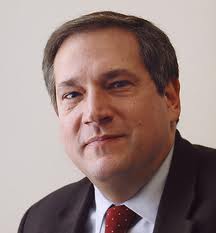
Jayne Plunkett, Head of Casualty Reinsurance at Swiss Re (YGL Class of 2010)Jayne Plunkett is a Member of the Group Management Board and Division Head of Casualty Underwriting for Swiss Reinsurance worldwide. Based in Zurich, Switzerland, she is responsible for all Casualty reinsurance business written worldwide. Plunkett has worked over 20 years in the insurance and reinsurance industries, holding various technical and management roles at Swiss Re as well as previous employers. Plunkett received a BA in Actuarial Science from Drake University. She is a Fellow of the Casualty Actuarial Society and a Member of the American Academy of Actuaries. She serves on the World Economic Forum’s Global Agenda Council for Oceans. |
 |
Jeffrey Zimman, Executive Chairman of Posit ScienceJeffrey Zimman co-founded Posit Science Corporation and serves as its Executive Chairman. He served as CEO and President at Posit Science Corporation until October 2008. He previously served as a Venture Partner of Venture Strategy Partners and Managing Director of Lazard, and as partner of Cooley Godward, where he headed the corporate and securities practice in the law firm’s San Francisco office. For the past two decades, he has been involved with healthcare, information technology and consumer products companies in implementing strategies leading to successful funding, high growth and liquidity. Mr. Zimman was an award-winning newspaper reporter, covering business and technology. He earned his AB degree at Bowdoin College and his JD and MBA degrees at Stanford University. |
 |
Joan Severson, President of Digital ArtefactsJoan Severson is the President of Digital Artefacts, the developer of iPad app BrainBaseline. The firm specializes in research and development of interactive computer graphics and 3D modeling and real-time visualization and simulation of interactive geo-specific and other virtual environments. Joan has collaborated with and/or directed research and development of scientific animations, virtual environments, user interfaces and software for the Smithsonian NMAH, the National Academy of Sciences, NASA, NOAA, the National Institutes of Health, behavioral researchers (psychologists and neurologists) corporate and university research and development organizations. |
 |
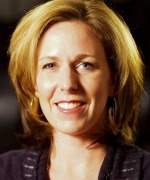
Josh Wright, Managing Director at ideas42Josh Wright is a Managing Director and Acting Executive Director at ideas42, using behavioral economics to do good with a focus on financial services, economic mobility, healthcare, and strategy. Josh has extensive experience in the for-profit, non-profit, and public sectors. Immediately prior to joining ideas42, Josh headed up the Office of Financial Education and Financial Access at the United States Department of the Treasury. Previously, Josh held positions at the Center for Community Change, Booz Allen and Hamilton’s Commercial Management Consulting business, and was a Senior Executive at Bertelsmann’s Random House, Inc. In addition, Josh served for two terms as an elected City Councilmember for the City of Takoma Park Maryland. He holds a BA from Wesleyan University and an MBA from the Yale School of Management. |
 |
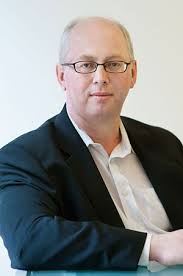
Kate Sullivan, Director of the Brain Fitness Center at Walter Reed National Military Medical CenterKate Sullivan M.S., CCC-SLP, CBIS completed her undergraduate and graduate degrees in Communication Sciences and Disorders at James Madison University. She has been a speech-language pathologist at Walter Reed Army Medical Center for 10 years where she recently helped launch the Brain Fitness Center (BFC), located in the WRAMC’s Military Advanced Training Center, to complement traditional care approaches. To document results so far, her team recently published Outcomes from a Pilot Study using Computer-Based Rehabilitative Tools in a Military Population at Studies in Health Technology and Informatics. Kate has written articles on the BFC for providers and patients and the BFC at Walter Reed was featured on National Public Radio’s “All Things Considered.” |
 |
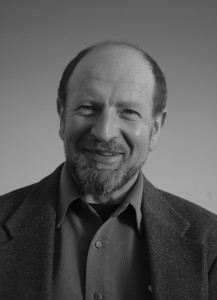
Matthew Bishop, US Business Editor and New York Bureau Chief of The Economist (YGL Class of 2005)Matthew Bishop is the US Business Editor and New York Bureau Chief of The Economist. He is the author of several books with Michael Green, including ‘Philanthrocapitalism: How Giving Can Save the World’, ‘The Road From Ruin’ and ‘In Gold We Trust? The Future of Money in an Age of Uncertainty’. Mr Bishop is also the author of ‘Essential Economics’. Mr. Bishop is also the author of several of The Economist’s special report supplements, including most recently The Great Mismatch, about the future of jobs. Mr. Bishop chaired the World Economic Forum’s Global Agenda Council on Philanthropy and Social Innovation, and was a member of the Advisors Group to the United Nations International Year of Microcredit in 2005. |
 |
Misha Pavel, Program Director of Smart and Connected Health at the National Science FoundationMisha Pavel is the Program Director in charge of NSF Smart and Connected Health portfolio, designed to accelerate the development and use of innovative healthcare approaches that are preventive, proactive, evidence-based, person-centered and focused on well-being rather than disease. Concurrently, he has an appointment as a Professor in the Department of Biomedical Engineering, and a joint appointment in the Department of Medical Informatics and Clinical Epidemiology, at Oregon Health and Science University. Prior to his academic career, he was a member of the technical staff at Bell Laboratories, where his research included network analysis and modeling. Misha Pavel is a Senior Member of IEEE. |
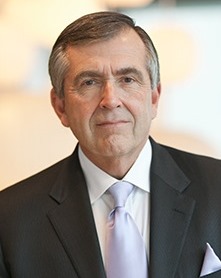
Olivier Oullier, Professor of Behavioral and Brain Sciences at Aix-Marseille University (YGL Class of 2011)Olivier Oullier, Ph.D, is a full professor of behavioral and brain sciences at Aix-Marseille University (France), a research associate at the Center for Complex Systems and Brain Sciences and GREQAM. His research at the Cognitive Psychology Lab (UMR 7920) focuses on social coordination dynamics, contagion and neuroeconomics. He heads the “Neuroscience and public policy” program, a unique initiative in charge of evaluating the benefits of insights from psychology, behavioral economics, complex systems and neuroscience in designing more efficient strategies to improve people’s health and well-being. In 2011, the World Economic Forum named him a Young Global Leader and the vice-chair of its Global Agenda Council on Neuroscience and Behavior. He works as a strategists for governments, NGOs and corporations. |
|
 |
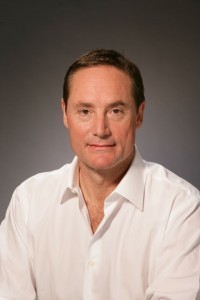
Peter Chiarelli, CEO of One Mind for Research, U.S. Army General (Ret)Peter Chiarelli is a retired 4‑star general in the U.S. Army and the CEO of One Mind for Research. Co-founded by former Congressman Patrick Kennedy and mental health advocate Garen Staglin, One Mind for Research is an independent, non-profit organization bringing together health care providers, researchers, academics and the health care industry — on a global scale – with the goal to rapidly develop new treatments and cures for all illnesses and disorders of the brain. As the Vice Chief of Staff , Chiarelli was responsible for the day-to-day operations of the Army, where one of his top priorities was helping soldiers suffering from the invisible wounds of war, TBI and PTS. Chiarelli, a native of Seattle, WA, is a graduate of Seattle University (B.S.) and the University of Washington (M.P.A.). He resides in Seattle with his wife, Beth. |
 |
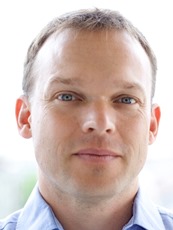
Robert Bilder, Chief of Medical Psychology-Neuropsychology at UCLA Semel Institute for NeuroscienceDr. Bilder is currently the Michael E. Tennenbaum Family Professor of Psychiatry & Biobehavioral Sciences, David Geffen School of Medicine, and Professor of Psychology, College of Letters and Science; Chief of Medical Psychology — Neuropsychology and Director of the Tennenbaum Center for the Biology of Creativity in the Jane & Terry Semel Institute for Neuroscience and Human Behavior. Dr. Bilder’s current research focuses on transdisciplinary and translational research. Dr. Bilder has been awarded diplomate status by the American Board of Clinical Neuropsychology. Dr. Bilder is a Clinical Neuropsychologist who has been actively engaged for over 20 years in research on the neuroanatomic and neuropsychological bases of major mental illnesses. He has received many awards for his research contributions, served on diverse federal and international advisory boards, provided editorial service to many scholarly journals, and received multiple grants from the NIH, private foundations, and industry. |
 |
Sean Hill, co-Director of Neuroinformatics in the Human Brain ProjectSean Hill is co-Director of the Blue Brain Project and co-Director of Neuroinformatics in the Human Brain Project (HBP) at the École Polytechnique Fédérale de Lausanne (EPFL), the research and technology university coordinating the HBP, which is funded by the European Union. Dr. Hill also serves as the Executive Director of the International Neuroinformatics Coordinating Facility (INCF) at the Karolinska Institutet in Stockholm, Sweden, and in management and advisory roles in several large-scale clinical informatics initiatives around the world. After completing his Ph.D. in computational neuroscience at the Université de Lausanne, Switzerland, Dr. Hill held postdoctoral positions at The Neurosciences Institute in La Jolla, California and the University of Wisconsin, Madison, then joined the IBM T.J. Watson Research Center where he served as the Project Manager for Computational Neuroscience in the Blue Brain Project until his appointment at the EPFL. |
 |
Stanley Yang, CEO of NeuroSkyAs Chief Executive Officer of NeuroSky, Inc., Stanley Yang is the visionary behind the bio-sensor company that has quickly become a global leader in mass market Brain-Computer Interface technology. NeuroSky has developed a non-invasive neural communication sensor that converts brainwaves and other bio-signals into digital electronic signals. This “ThinkGear” technology can control electronic devices, enable machines to adept to people, and further enhance education and research on creative applications powered by the brain. NeuroSky has forged successful partnerships with a broad range of companies from Fortune 500 industry leaders to innovative independent developers. Furthermore, NeuroSky leverages collaboration with a number of top domestic and international academic institutions to move technology out of the lab and into the marketplace. |
 |
Tan Le, CEO of Emotiv Lifesciences (YGL Class of 2009)Tan Le is a technology entrepreneur, business executive and sought-after speaker. She is founder and CEO of Emotiv Lifesciences, a bioinformatics company that advances understanding of the human brain and identifies biomarkers for mental and other neurological conditions using electroencephalography (EEG). She is pursuing the dream of performing inexpensive and widespread brain function screening to catch early signs of autism, epilepsy, learning disabilities, ADHD, and other conditions. Tan has received many awards and appeared in innumerable ‘Who’s Who in Australia’ lists; she was named among Fast Company’s Most Influential Women in Technology in 2010 and Forbes‘ 50 Names You Need to Know in 2011. In 2009, she was honored by the World Economic Forum as a Young Global Leader since 2009, and in 2011, she was recognized with the AutoVision Innovations Award and honored as a Monash University Distinguished Alumni Award recipient. |