

Posts by Dr. Pascale Michelon
Fun brain teaser to test your cognitive skills during International Brain Teaser Month

Memory relies mostly on the temporal lobes (see green area) and also the frontal lobes (red), so those are the areas that will get some good neuronal activation when readers raised in the US try to remember the missing words in the American proverbs below. Now, if you were raised outside the US and are…
Read MoreQuick brain teaser to prove the limits of multitasking

How often do you discuss office gossip via chat while participating in a Zoom meeting? Or read a great article while talking on the phone with a client? Or, wait, think about work problems while helping your child with homework? Yup, it is not easy to stay focused and be truly productive.
Read MoreQuick brain teasers to exercise your working memory

Draw the letter J in your mind. Now draw the letter D. Turn it 90 degrees to the left and put it in top of the J. What does this shape resemble?
Read MoreThree quick brain teaser games to test your perceptual and cognitive skills

An always delightful way to learn more about our brains and minds is to experience so-called optical illusions and to see how we react to them. Below you have three fun ones to tease, and probably even puzzle, you mind. Ready, set, go! 1. Where is that couple’s baby?
Read MoreBrain Teaser: Ready to stimulate those neurons in your temporal lobes?
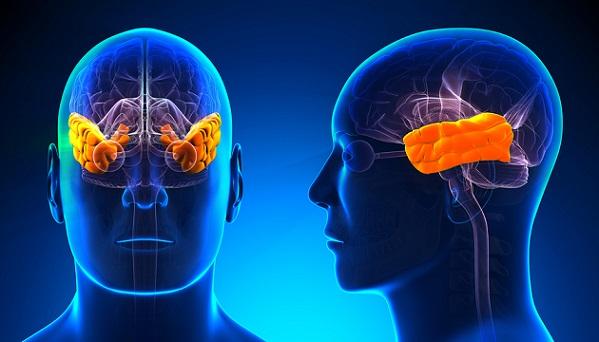
Language is primarily processed in the temporal lobes–on the sides of your brain, next to you temples, mostly on the left side–and different areas in the temporal lobes deal with different aspects of language. For example, the Wernicke area supports your ability to understand words, whereas the Broca area allows you to produce language or…
Read MoreIs your brain ready for Monday? Tease your mind with these four optical illusions
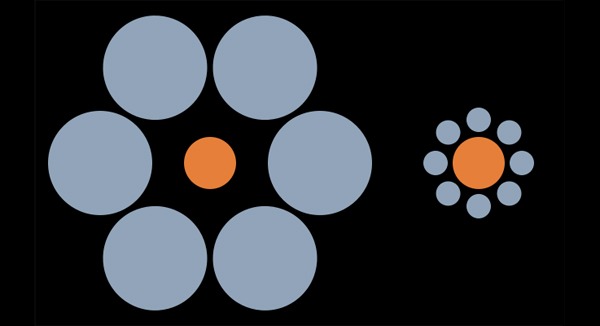
___ A great way to learn more about our brains and minds is to look at how we can trick them–that is, to see how we react to brain teasers and visual illusions. Below are four fun optical illusions that let us learn about our visual system…ready? (answers and explanations at the bottom) ___
Read More