Sharp Brains: Brain Fitness and Cognitive Health News

Is brain fitness scientifically proven to improve cognitive skills?

Here is the fourth install­ment of ques­tions from Brain Fit­ness 101: Answers to Your Top 25 Ques­tions. To down­load the com­plete ver­sion, please click here.

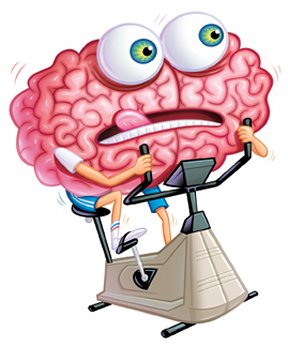
Ques­tion:Brain Working Out
Is brain fit­ness sci­en­tif­i­cally proven to improve cog­ni­tive skills?

Key Points:

  • Neu­ropsy­chol­ogy and the under­stand­ing of brain mech­a­nisms of cog­ni­tion took off in 1861 when Pierre-Paul Broca pub­lished a paper on brain local­iza­tion of language.
  • Cog­ni­tive train­ing and behav­ioral ther­apy has been in use in hos­pi­tals and the mil­i­tary for 40 years or more.

Answer:
Thanks to new neu­roimag­ing tech­niques, said to be “as impor­tant for neu­ro­science as tele­scopes were for astron­omy,” and other state-of-the-art research meth­ods, neu­ro­sci­en­tists are find­ing that exer­cis­ing our brain influ­ences the gen­er­a­tion of new neu­rons and their connections.


Pre­vi­ous beliefs about our brain and how it works have been proven false. Some beliefs that have been debunked include claims that adult brains can­not cre­ate new neu­rons (proven false by Prince­ton sci­en­tist Dr. Eliz­a­beth Gould, UC-Berkeley sci­en­tists Dr. Mar­ian Dia­mond and Dr. Mark Rosen­zweig, and Salk Institute’s Dr. Fred Gage), notions that work­ing mem­ory has a max­i­mum limit of 6 or 7 items (proven false by Karolin­ska Institute’s Dr. Torkel Kling­berg), and assump­tions that the brain’s basic processes can not be reor­ga­nized by repeated prac­tice (proven false by UCSF’s Drs. Paula Tal­lal and Michael Merzenich).

The “men­tal mus­cles” we can train include atten­tion, stress and emo­tional man­age­ment, mem­ory, visual/spatial skills, audi­tory processes and lan­guage, motor coor­di­na­tion, and exec­u­tive func­tions like plan­ning and prob­lem solving.

While there is much basic research around neu­ro­plas­tic­ity, cog­ni­tive reserve, cog­ni­tive train­ing, and neu­ro­feed­back, that research alone is not enough to show the effect of spe­cific brain fit­ness pro­grams. To be use­ful, the spe­cific skills exer­cised in brain fit­ness pro­grams need to trans­fer into our over­all cog­ni­tive abil­i­ties and enable you to have a bet­ter mem­ory, con­cen­tra­tion, decision-making, plan­ning skills, reac­tion time, capac­ity to learn, abil­ity to man­age stress, or other men­tal abilities.

The sci­en­tists who have cre­ated the pro­grams we fea­ture at Sharp­Brains have pub­lished exten­sive stud­ies show­ing the effec­tive­ness of their products.

Fur­ther Reading

Share This Page:
  • Facebook
  • Twitter
  • StumbleUpon
  • del.icio.us
  • Google Bookmarks
  • Digg
  • Reddit

Categories: Cognitive Neuroscience, Health & Wellness

Tags: , , , , , , , , , , , , , , ,

Print This Article Print This Article

3 Responses

  1. […] Read more… TFS Re-Launch Con­test: Adeo GPS Fit­ness Trainer — Decem­ber 28th, 2006Exercise and Arthri­tis — Decem­ber 28th, 2006askROCCO: Youre not nor­mal. See Dr. — Decem­ber 28th, 2006Improving Your Breath­ing Under Stress — Decem­ber 28th, 2006Let Your PC Help Cure Can­cer! — Decem­ber 28th, 2006 Spon­sored Links Related Reading […]

  2. […] Car­o­line Latham presents Is brain fit­ness sci­en­tif­i­cally proven to improve cog­ni­tive skills? posted at Sharp­Brains: Your Win­dow into the Brain Fit­ness Rev­o­lu­tion, say­ing, “Here is a sup­ple­men­tal post to What is Brain Fit­ness. Good goals for 2007 are to include men­tal stim­u­la­tion, phys­i­cal exer­cise, bal­anced nutri­tion, and stress man­age­ment in your health plan.” […]

  3. […] Car­o­line Latham of Sharp­Brains: Your Win­dow into the Brain Fit­ness Rev­o­lu­tion presents three blog posts. First, in Is brain fit­ness sci­en­tif­i­cally proven to improve cog­ni­tive skills?, Latham dis­cusses the talk about brain fit­ness with sci­en­tific stud­ies pub­lished in JAMA and con­sults non-scholarly dis­cus­sions. By uncov­er­ing the myths in brain devel­op­ment and plas­tic­ity, the author claims that one can train “men­tal mus­cles” for cog­ni­tive improve­ment (and per­haps pre­ven­tion of neu­ro­log­i­cal dis­or­ders). Sec­ond, in New Research on How to Main­tain a Sharp Brain, Latham sum­ma­rizes brain fit­ness pro­grams and assets three musts for any brain work­out rou­tine: “nov­elty, vari­ety, and stretch­ing prac­tice (increas­ing chal­lenge each time).” Lastly, she con­tributes Are cog­ni­tive abil­i­ties the same thing as intel­li­gence? claim­ing that cog­ni­tive abil­i­ties are skills that any­one can improve with a lit­tle work, as opposed one’s IQ. […]

Welcome to SharpBrains!

As seen in The New York Times, The Wall Street Jour­nal, CNN and more, we are a mar­ket research & pub­lish­ing firm track­ing the research and mar­ket­place for brain fit­ness and cog­ni­tive health. Our blog was recently ranked # 3 Ana­lyst Blog.
News: Win­ners of the 2010 Brain Fit­ness Inno­va­tion Awards were announced on May 24th, 2010. Learn more Here.

Top 30 Articles

  1. Top 50 Brain Teasers, by Sharp­Brains Team
  2. The Ten Habits of Highly Effec­tive Brains, by Alvaro Fernandez
  3. Why do You Turn Down the Radio When You’re Lost?, by Car­o­line Latham
  4. Brain Plas­tic­ity: How learn­ing changes your brain, by Pas­cale Michelon
  5. Top 10 Brain Fit­ness Future Trends, by Alvaro Fernandez
  6. 7 FAQs on Men­tal Exer­cise, by Alvaro Fernandez
  7. It is Not Only Cars That Deserve Good Main­te­nance: Brain Care 101, by Alvaro Fernandez
  8. Eval­u­a­tion Check­list for Brain Fit­ness prod­ucts and games, by Alvaro Fernandez
  9. MIT Event on Brain Games: Con­text, Trends, Ques­tions, by Alvaro Fernandez
  10. Stress Man­age­ment Work­shop for Inter­na­tional Women’s Day, by Alvaro Fernandez
  11. Mind­ful­ness and Med­i­ta­tion in Schools for Stress Man­age­ment, by Jill Sutie
  12. Stress and Neural Wreck­age: Part of the Brain Plas­tic­ity Puz­zle, by Gre­gory Kellet
  13. How can I improve my short term mem­ory?, by Car­o­line Latham
  14. Cog­ni­tive and Emo­tional Devel­op­ment Through Play, by David Elkind
  15. Judith Beck: Train Your Brain to Think Like a Thin Per­son, by Alvaro Fernandez
  16. Easy Steps to Improve Brain Health, by Car­o­line Latham
  17. Info­graphic: State of the Mar­ket 2009, by Paul Van Slembrouck
  18. Improve Mem­ory with Sleep, Prac­tice, and Test­ing, by Bill Klemm
  19. 10 Brain Tips To Teach and Learn, by Lau­rie Bartels
  20. Dr. Elkhonon Gold­berg on Cog­ni­tive Train­ing and Brain Fit­ness, by Alvaro Fernandez
  21. Max­i­mize the Cog­ni­tive Value of Your Men­tal Work­out, by Schlomo Breznitz
  22. Brain Fit­ness Pro­gram and Neu­ro­plas­tic­ity @ PBS, by Alvaro Fernandez
  23. Mind­ful­ness Med­i­ta­tion for Adults & Teens with ADHD, by David Rabiner
  24. Can Intel­li­gence Be Trained? Mar­tin Buschkuehl shows how, by Alvaro Fernandez
  25. How Strong is the Research Sup­port for Neu­ro­feed­back in Atten­tion Deficits?, by David Rabiner
  26. Exer­cis­ing the body is exer­cis­ing the mind, by Adrian Preda
  27. Brain Evo­lu­tion and Why it is Mean­ing­ful Today to Improve Our Brain Health, by Larry McCleary
  28. Phys­i­cal Exer­cise and Brain Health, by Pas­cale Michelon
  29. Posit Sci­ence, Nin­tendo Brain Age, and Brain Train­ing Top­ics, by Alvaro Fernandez
  30. Sleep, Tetris, Mem­ory and the Brain, by Shan­non Moffet
Sign Up for our Monthly Newslet­ter:
Join over 26,000 Sub­scribers and stay informed and engaged.

Engage and Discuss

twitter_logo_header

Partners

ADDF-Tight-Logo

Monthly Blog Archives